
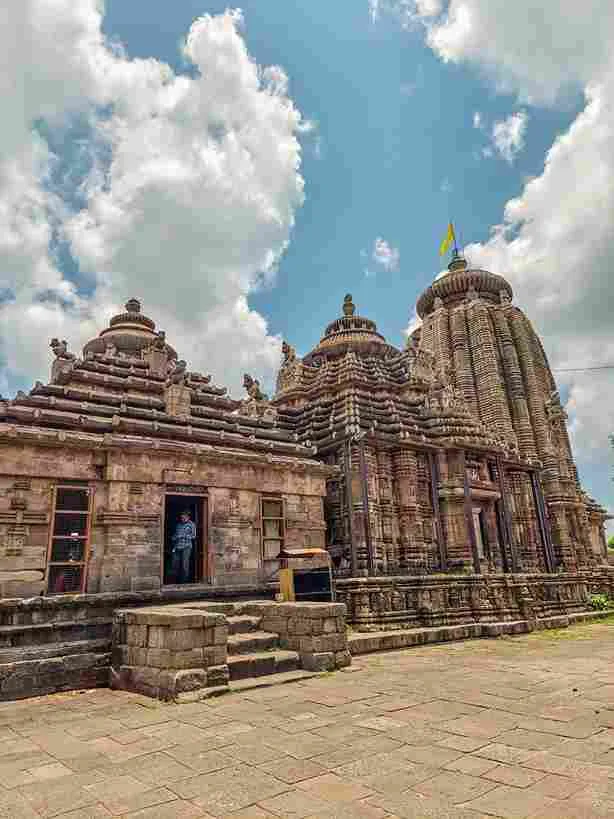
The Mukteswara Temple in Bhubaneswar is a small Shiva temple of the 10th century, often called a gem of Odisha architecture. Its carved arched gateway, the torana, is the most celebrated feature, with female figures, monkeys, peacocks and scrollwork. The temple is a pitha deula and is considered the earliest work of the Somavamshi period. A three day Odissi dance festival is held in its grounds.
quick facts
- district
Khordha
- best time to visit
Winter, for the Mukteswar Dance Festival. Check the current year's dates with Odisha Tourism.
- dress code
Ethnic or traditional dress is customary.
know before you go
do
- Look closely at the torana and the carved jagamohana
- Visit with Parsurameswara and Siddheswara in the same trip
- Check dance festival dates before planning
- Allow time to walk the Old Town lanes
avoid
- Do not touch or lean on the carved gateway
- Do not litter around the Marichi Kunda
- Do not rely on a single source for the temple's date
how to reach
address: Old Town, Bhubaneswar, Khordha district, Odisha (Kedar Gouri Lane side, off Lewis Road)
history and significance
why it matters
The name means Lord of Freedom. The temple is treated by many scholars as a turning point in Odishan temple building: it follows the Parsurameswara Temple and comes before the Brahmeswara Temple of 1060 CE. The compound wall has niches with Saraswati, Ganesha and Lakulisha, and Wikipedia links the temple to Tantric practice.
history
Wikipedia dates the temple to between 950 and 975 CE. Percy Brown suggests 950 CE and K C Panigrahi suggests 966 CE. It is considered the earliest work of the Somavamshi period and, for most scholars, the successor to the Parsurameswara Temple. The old attribution to King Yayati I is not supported by historical evidence, though some listings still repeat it with other dates, so the dating is disputed.
The gateway is dated to about 900 CE in the same account, which would make it older than the temple, and it shows possible Buddhist influence.
what to see
The temple is in the Kalinga style and is an early example of the pitha deula type. Its pyramidal jagamohana roof was an early departure from the usual two-tier form.
- The torana is the most notable feature, with female figures, monkeys, peacocks and scrollwork.
- The shikhara is about 10.5 m tall, with four Natarajas and four kirtimukha motifs, and an early form of the bho window.
- The jagamohana carries images of sadhus, women, Ganga and Yamuna, Gajalakshmi, Rahu and Ketu, with Lakulisa on the lintel.
- Inside, the sanctum is cubical, with carvings of damsels with nagas and naginis.
rituals and festivals
The Mukteswar Dance Festival is a three day Odissi event held in the temple grounds by the state tourism department. Sources give mid January, while a 2026 listing shows 14 to 16 February, so dates change from year to year.
The Marichi Kunda, a tank on the east side, is said to help barren women conceive, and its water is sold on the night before the Ashokashtami car festival, according to Wikipedia.
nearby
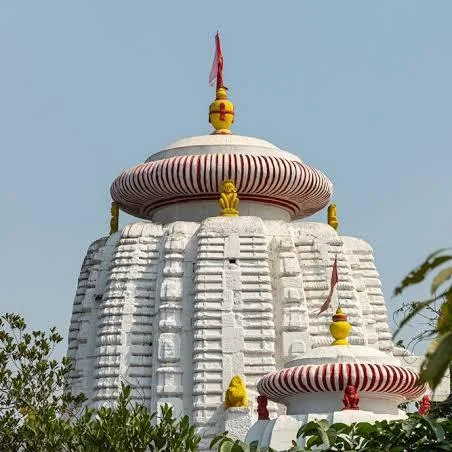
- Parsurameswara Temple, the older temple of the same tradition.
- Siddheswara Temple, next to Mukteswara, and Kedar Gouri Temple.
- Rajarani and Lingaraja temples, further in the Old Town.
other temples nearby10
questions visitors ask
When was the Mukteswara Temple built?
Wikipedia dates it between 950 and 975 CE. The attribution to King Yayati I is not supported by historical evidence, and dating is disputed.
What is special about the torana?
It is the temple's most celebrated feature, an arched gateway decorated with female figures, monkeys, peacocks and scrollwork, with possible Buddhist influence.
What happens at the Mukteswar Dance Festival?
It is a three day Odissi dance and music festival held in the temple grounds by the state tourism department.