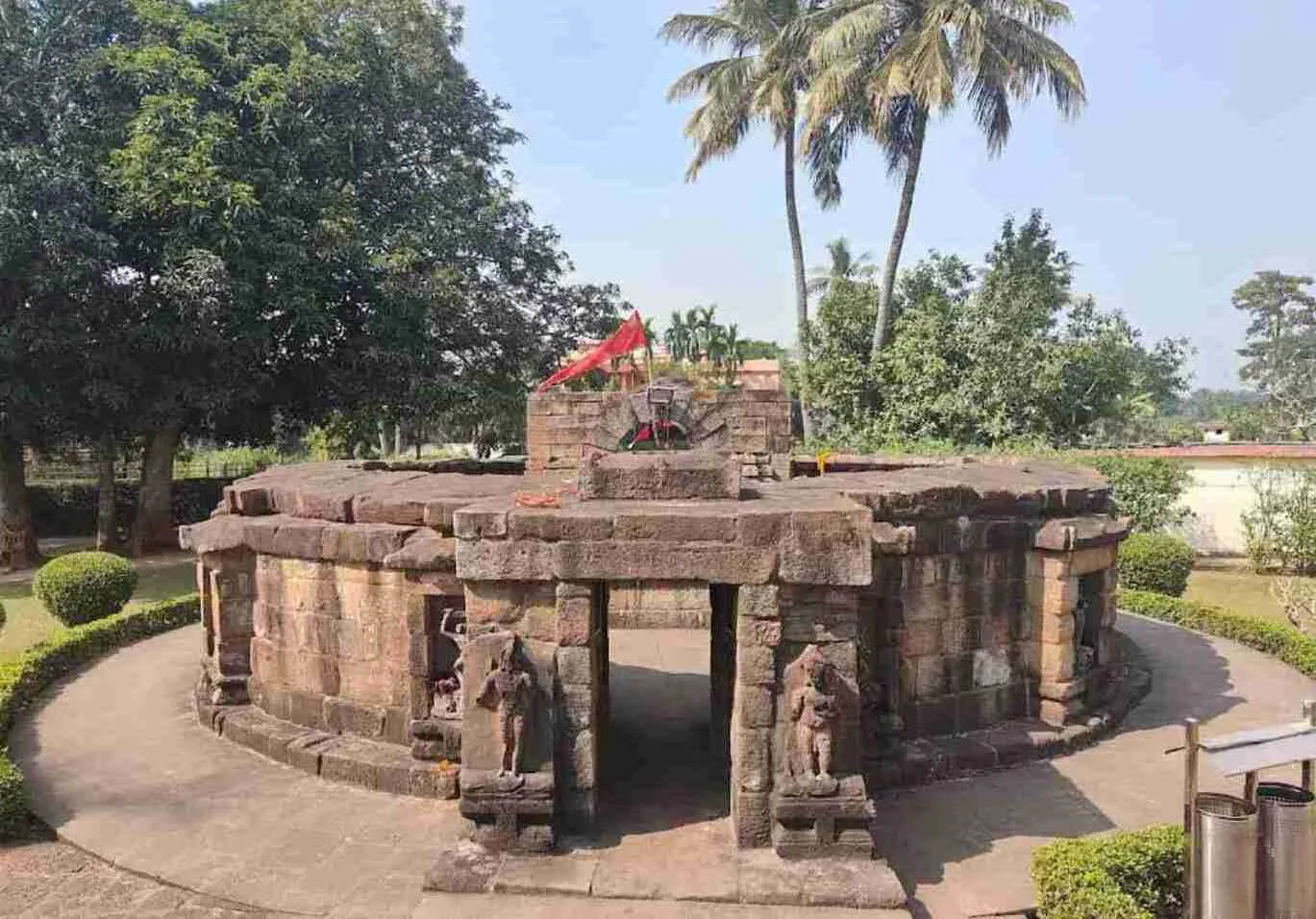
The Chausath Yogini Temple at Hirapur, in Khordha district near Bhubaneswar, is a small circular open-roofed shrine of the sixty-four yoginis. It is built of sandstone, about 7.6 metres across, and its niches hold dark chlorite images of the yoginis, of which 56 survive from an original 64. A central image of a goddess stands within the circle. Tradition and some accounts date it to 864 CE, and the Archaeological Survey of India protects the site.
quick facts
- district
Khordha
- dress code
Ethnic or traditional dress is customary.
how to reach
The temple is about 10 to 15 km from Bhubaneswar, which has the nearest railway station and airport. It is reached by road by way of Tankapani Road, and taxis and autos serve the route.
address: Hirapur, Khordha, Odisha
history and significance
why it matters
The temple belongs to the tantric tradition of the yoginis, powerful goddesses who are often described as emanations of Durga. Hirapur is described by Wikipedia as the first such temple in India, a claim that rests on a ninth century date.
history
According to Wikipedia, the temple was built in 864 CE by Hiradevi, a queen of the Bhauma dynasty, and the village name Hirapur is linked to her. This date and attribution come from tradition and are not backed by an inscription in the sources consulted.
Local priests tell a legend in which the goddess Durga took the form of sixty-four goddesses to defeat a demon, and the goddesses asked to be commemorated in a temple. A later tradition says the sixteenth century general Kalapahad attacked the temple and broke its images. The site was rediscovered in 1953 by the historian Kedarnath Mohapatra, according to a travel account, and is now protected by the Archaeological Survey of India.
what to see
The temple is circular, about 7.6 metres in diameter, open to the sky, and built of sandstone. Its plan is said to resemble a yoni-pedestal for a Shiva lingam.
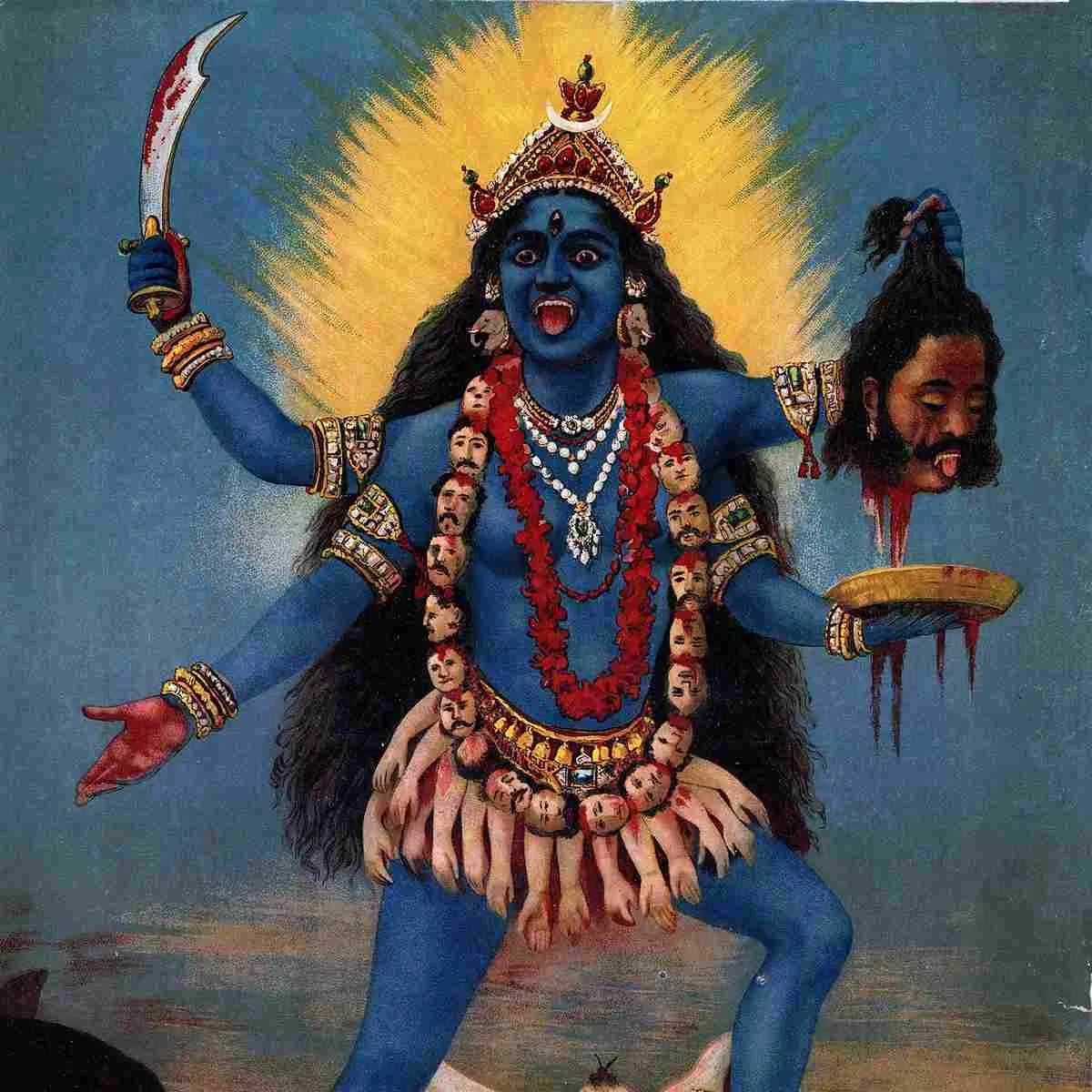
The yogini images are carved from dark chlorite and stand in niches around the inner wall. Of the original 64, 56 survive. The central image is a standing Kali, according to Wikipedia, while other sources call the temple Mahamaya.
nearby
other temples nearby6

questions visitors ask
How many yoginis are in the temple?
The temple originally had 64 yogini images, and 56 survive.
Why is the temple open to the sky?
The temple is hypaethral, with no roof over the circular court. Sources describe this as a feature of yogini temples, and no reason is given in the sources consulted.
Who protects the site?
The Archaeological Survey of India maintains the temple.