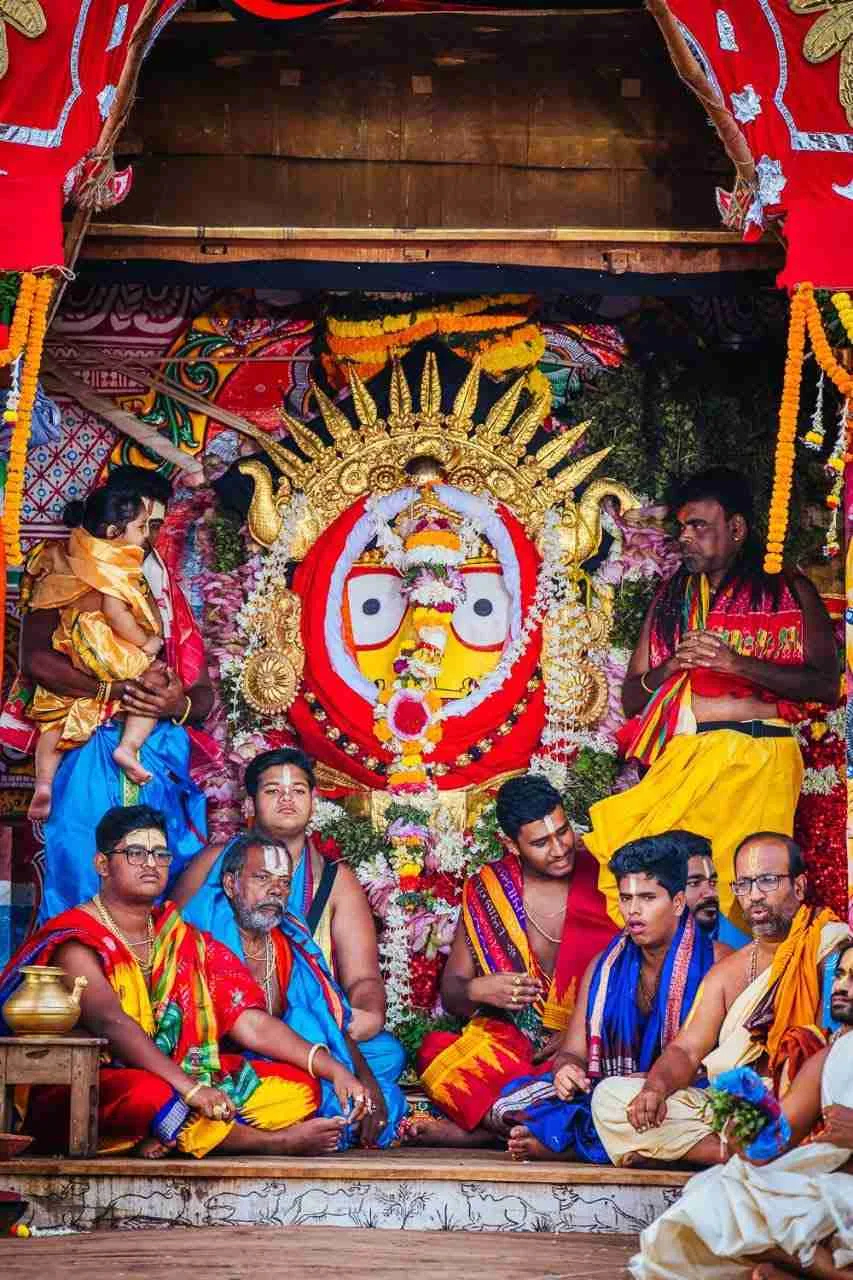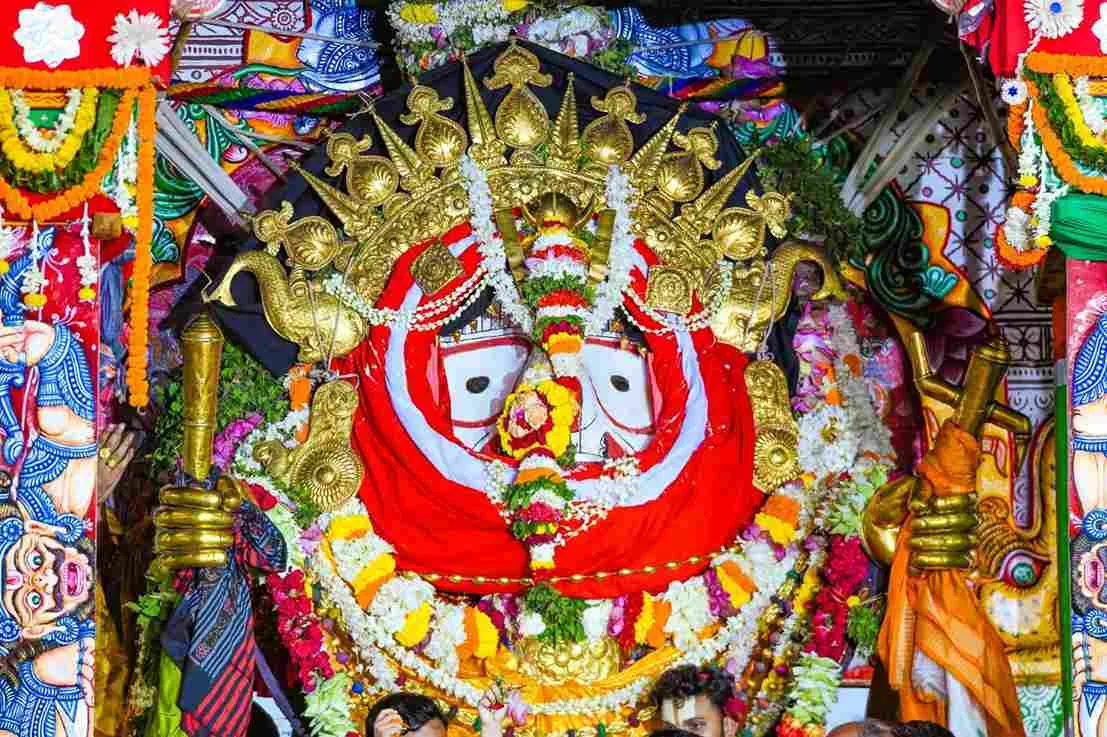
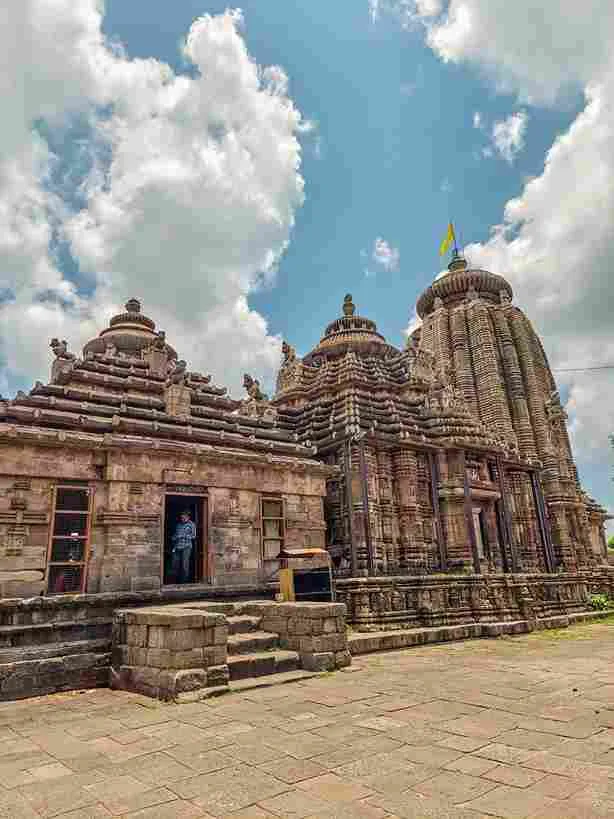
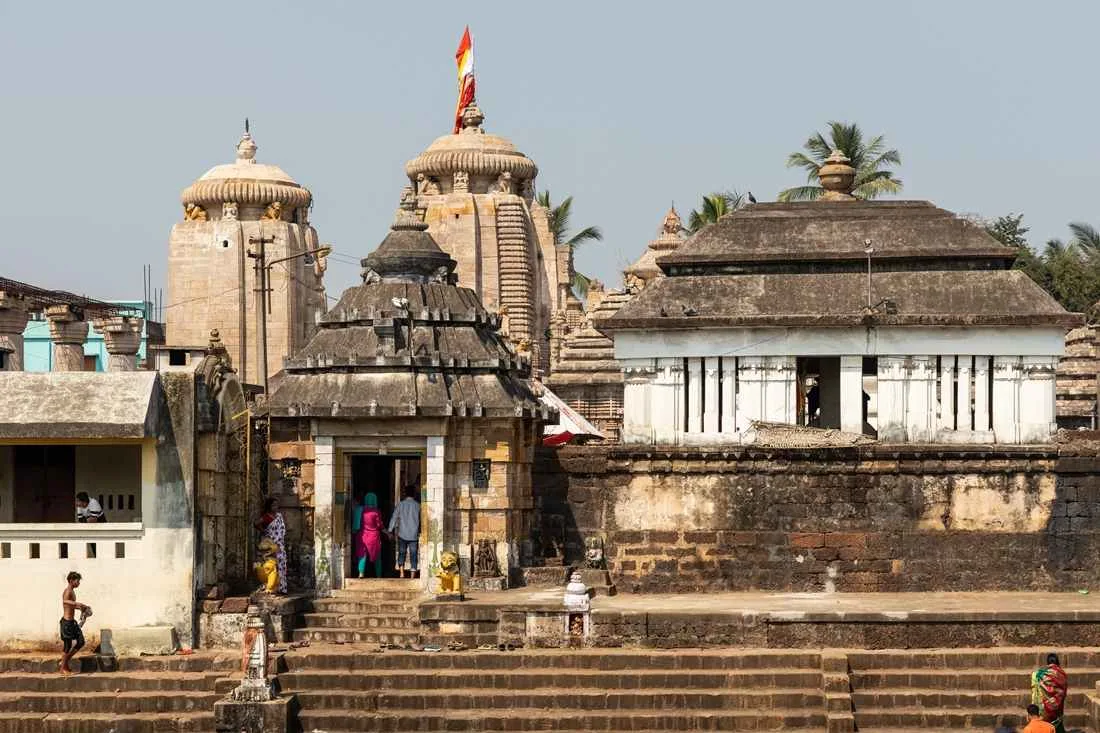
The Ananta Vasudeva Temple stands beside the Bindusagar tank in Bhubaneswar and is the most important surviving Vaishnava temple of the old city. Its form follows the Lingaraja temple, but its sculpture is Vaishnava. The sanctum holds black granite images of Krishna, Balarama and Subhadra, with Balarama under a seven-hooded serpent. The temple is dated to 1278 CE by the ASI record and is known for offering prasad.
quick facts
- district
Khordha
- dress code
Ethnic or traditional dress is customary.
know before you go
do
- Check with the temple about prasad arrangements
- Visit with the other Old Town temples in the same trip
- Keep to marked paths around the Bindusagar bank
- Ask before photographing inside
avoid
- Do not litter around the Bindusagar tank
- Do not assume prasad is available at all hours
- Do not rely on one source for the temple's date
how to reach
history and significance
why it matters
In a city known for Shiva temples, this shrine is the main Vaishnava centre of Ekamra Kshetra. Its images of Krishna, Balarama and Subhadra echo the Jagannath triad, but they are carved in black granite rather than wood.
The temple also keeps up the tradition of offering prasad, which helps preserve traditional Odia recipes.
history
The ASI protection record dates the temple to 1278 CE and attributes it to Chandrika, daughter of Anangabhima III, during the reign of her nephew Bhanudeva I. Wikipedia says the queen ordered the new temple on a site where an older Vishnu image had been worshipped. Other sources give slightly different date ranges and kings, so the exact dating is not settled.
A commemorative inscription of the foundation was taken abroad. Wikipedia places it in the British Museum, while Odisha Tourism says it is at the Royal Asiatic Society in London, with a cast on display in Odisha. The Marathas later renovated Vishnu temples in Bhubaneswar in the late 17th century.
what to see
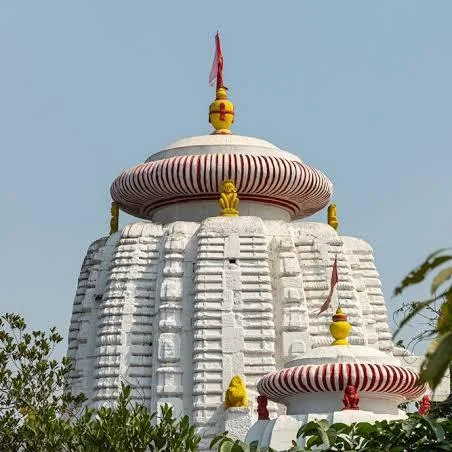
The temple is in the Kalinga style and follows the plan of the Lingaraja temple, but its sculpture is Vaishnava. Its miniature shikhara bands have three shrines per band, fewer than at Lingaraja.
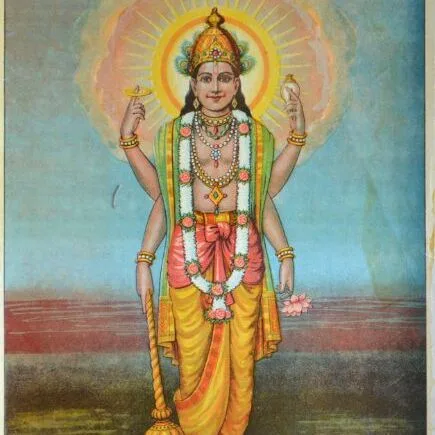
The sanctum holds Balarama under a seven-hooded serpent, Subhadra holding a pot of jewels and a lotus, and Krishna holding a mace, discus, lotus and conch. One architectural study notes that the sanctum currently holds images named Ananta, Krishna and Subhadra, so naming differs between sources.
rituals and festivals
The temple offers prasad, food presented to the deities and then shared with devotees. Photographs show mahaprasad and food offered in earthen pots. Specific festival schedules were not found in the sources checked.
nearby
- Bindusagar tank, beside the temple, with the Brahma Temple on its bank.
- Lingaraja and the other temples of the Old Town, including Mukteswara and Parsurameswara.
other temples nearby9
questions visitors ask
When was the temple built?
The ASI record dates it to 1278 CE and credits Chandrika, daughter of Anangabhima III. Other sources give slightly different dates, so the dating is not settled.
Who is worshipped here?
Odisha Tourism lists Krishna, Balarama and Subhadra, carved in black granite. Naming of the images differs between sources.
How is it different from the Lingaraja temple?
The plan resembles Lingaraja, but the sculpture is Vaishnava and the miniature shikhara bands have fewer shrines per band.