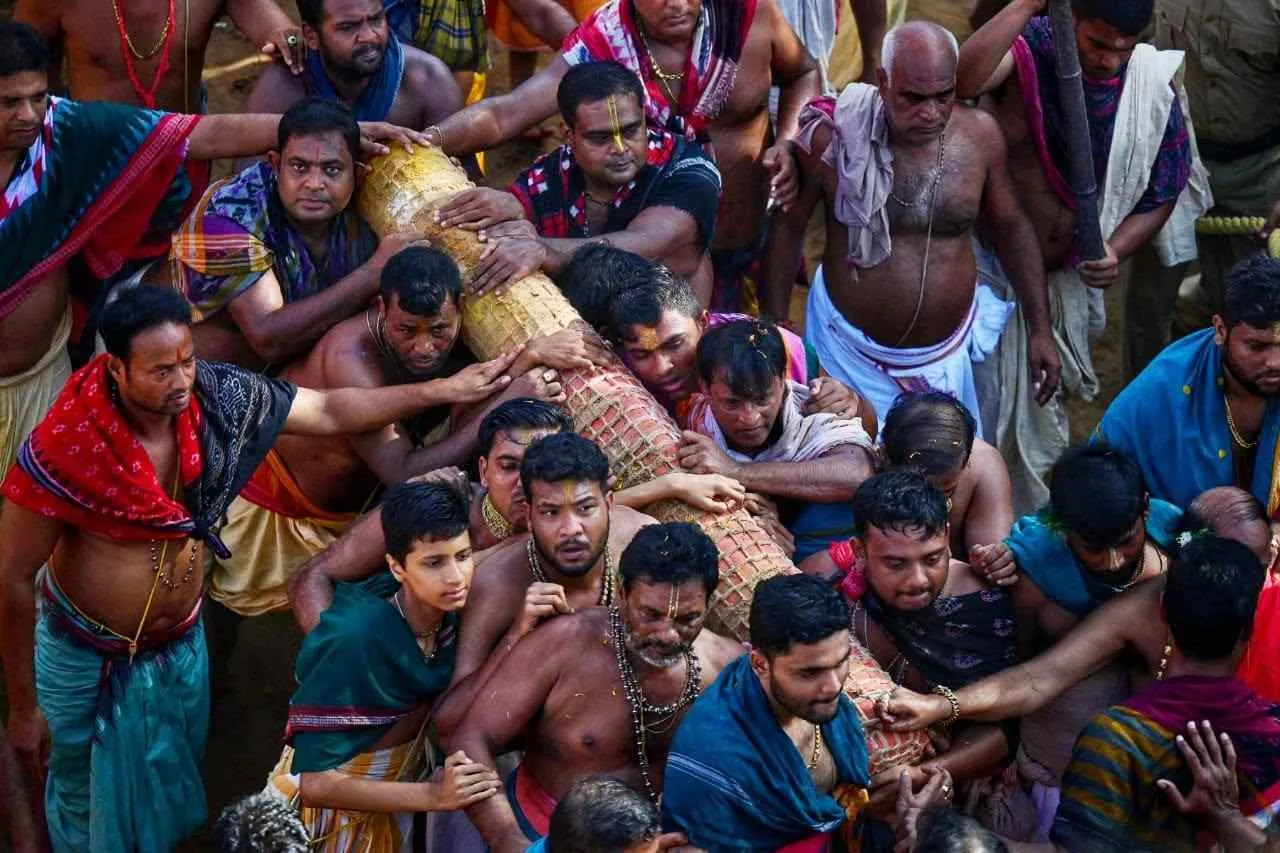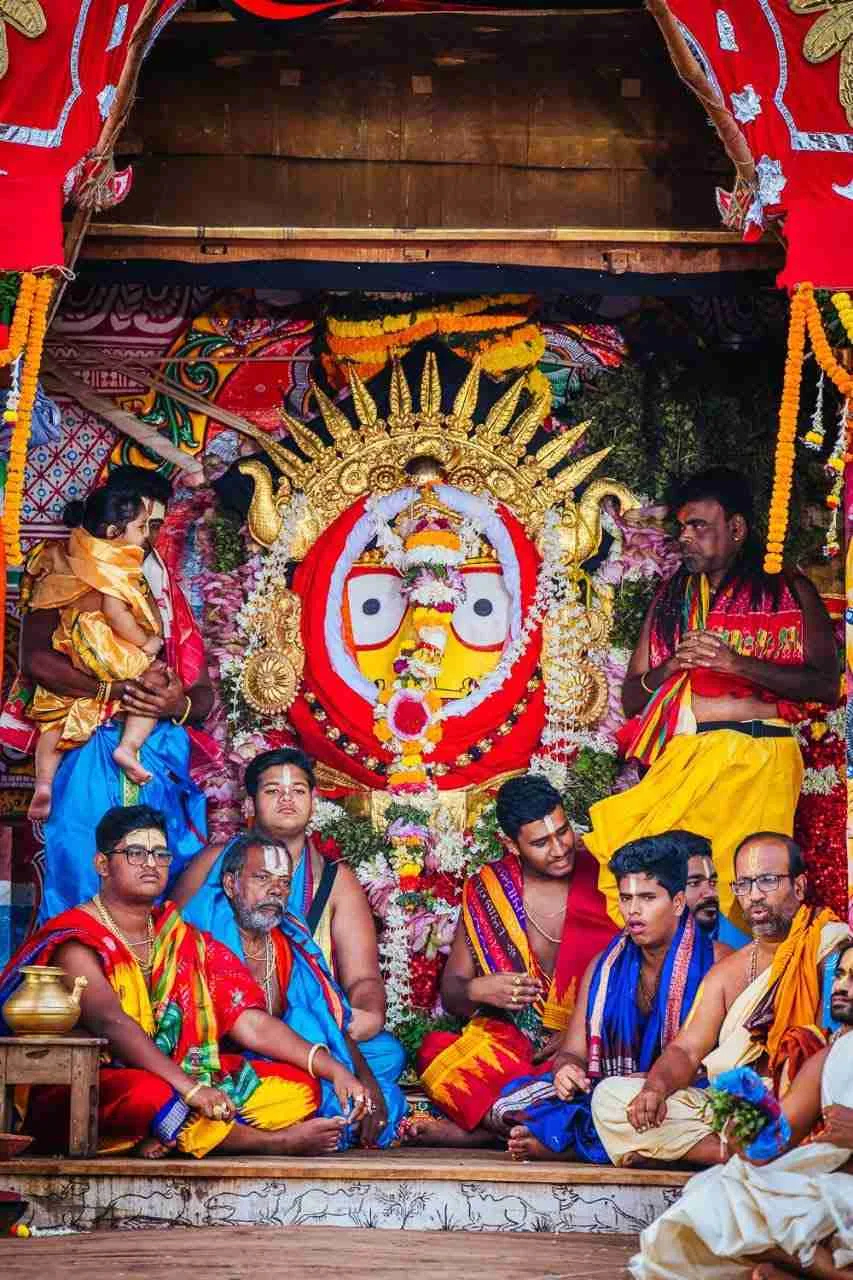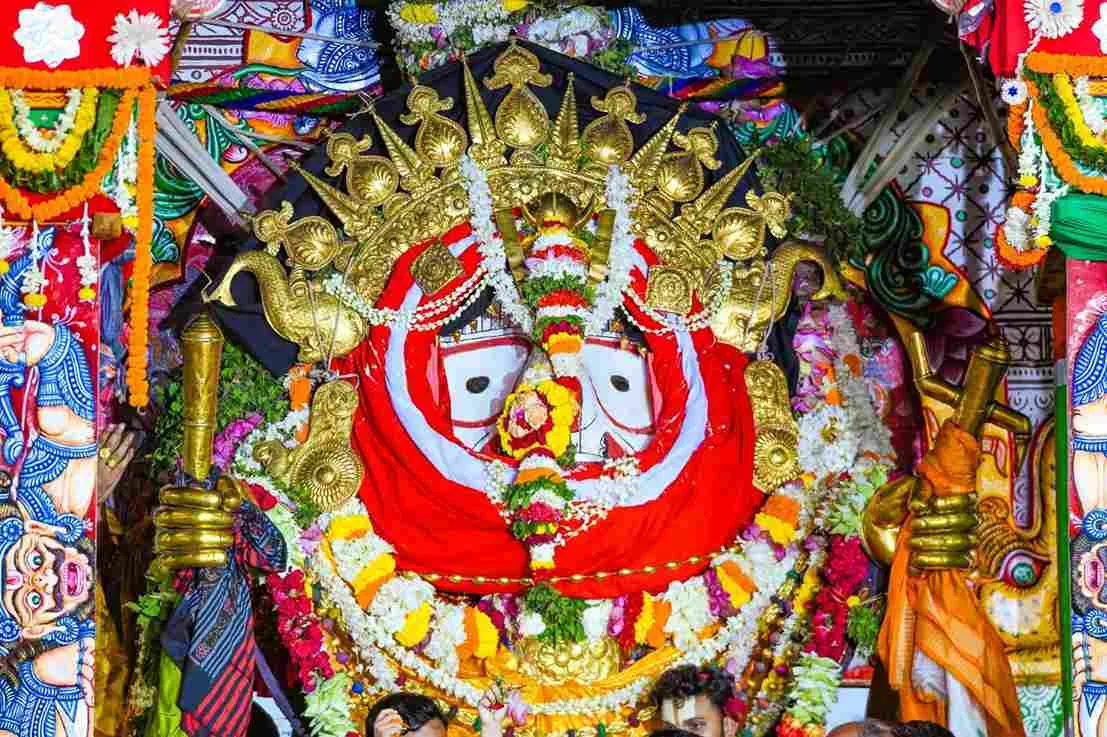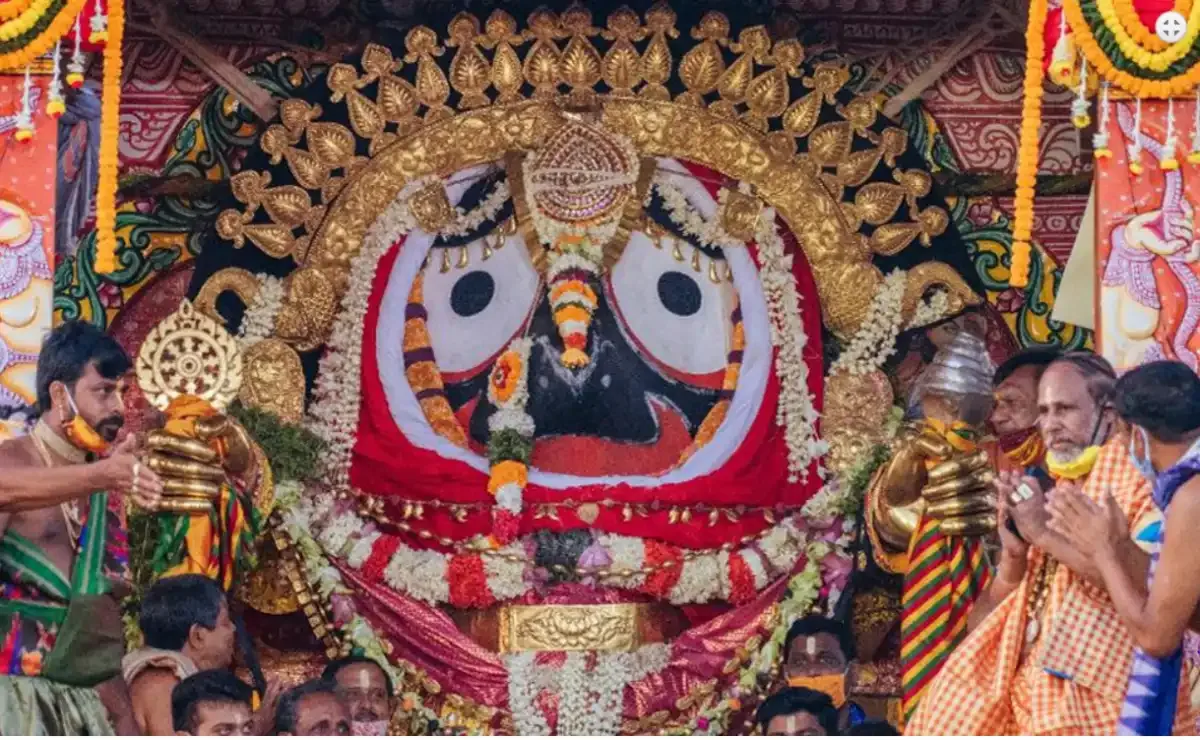
The Jagannath Temple in Puri is one of the great Hindu pilgrimage centres of India and the heart of Odisha's cultural life. It is dedicated to Jagannath, with his brother Balabhadra, sister Subhadra and the Sudarshana Chakra. The tower rises about 65 m above the sanctum, and the complex holds at least 120 temples and shrines. It is the centre of the annual Ratha Yatra, when the deities are drawn on chariots to the Gundicha Temple.
quick facts
- district
Puri
- dress code
Ethnic or traditional dress is customary.
know before you go
Entry rules for visitors of different faiths and the daily timings should be checked with the temple administration before travel.
how to reach
The temple is in the town of Puri and is reached by road from Bhubaneswar. The Singhadwara faces the Bada Danda, the grand road on which the chariots run.
address: Puri, Odisha
history and significance
why it matters
Puri is a Dham of the Hindu tradition, and Jagannath is worshipped by Vaishnavas and by many other communities. The temple's cycle of festivals, from Snana Yatra to Ratha Yatra and Nabakalebara, shapes the life of the town.
history
According to the account used here, Anantavarman Chodaganga, the first ruler of the Eastern Ganga dynasty, began rebuilding the temple complex. He ruled from about 1078 to 1150 CE and, according to tradition, was first a Shaiva and became a Vaishnava after he took Utkala in 1112 CE. The article places the foundation of the present structure in the early twelfth century, and its infobox gives 1161 CE as the date of completion. The wall called the Meghanada Pacheri, about 6 m high, encloses the complex, and the kurma bedha wall surrounds the main temple. Older traditions of Jagannath worship in Puri are told in legend and are not covered in the source used here, and historians continue to discuss the origins of the deity.
what to see
The tower rises about 65 m above the inner sanctum, and the complex covers more than 37,000 square metres with at least 120 temples and shrines. The enclosing wall is the Meghanada Pacheri, about 6.1 m high, and a second wall, the kurma bedha, surrounds the main temple.
The main entrance is the Singhadwara, or Lion Gate, which faces east onto the Bada Danda. A flight of 22 steps, the Baisi Pahacha, leads into the complex, and lion statues flank the gateway. The 16-sided Aruna Stambha pillar stands in front of it.
rituals and festivals
Snana Yatra takes place on Jyeshtha Purnima, when the deities are bathed. They then withdraw to the Anavasara Ghara for about fifteen days, and devotees cannot see them in that period.
Ratha Yatra, in the month of Ashadha, is when the deities are drawn on chariots to the Gundicha Temple, about 3 km away.
Nabakalebara is the renewal of the wooden images, which takes place at intervals of eight, twelve or nineteen years.
nearby
- Gundicha Temple, about 3 km away
- Bada Danda, the grand road
- Aruna Stambha at the Lion Gate
other temples nearby10
questions visitors ask
Who built the Jagannath Temple?
Anantavarman Chodaganga of the Eastern Ganga dynasty began the rebuilding of the complex in the early twelfth century, according to the source used.
What is Ratha Yatra?
In the month of Ashadha the deities are drawn on chariots to the Gundicha Temple, about 3 km away.
What is Nabakalebara?
It is the replacement of the wooden images, at intervals of eight, twelve or nineteen years.
What is the Singhadwara?
It is the main east gate, reached by a flight of 22 steps called the Baisi Pahacha, with lion statues on either side.