


#एकाम्रअनुभव: Ego, Wealth and Wisdom
- Soumyaranjan Sahoo

- Mar 17, 2022
- 2 min read
Updated: Mar 11
The power of the ego is unsurpassable. No matter the havoc it creates, human beings have hardly been able to conquer it. And this inability to overcome the ego has prevented them from attaining moksha. If there's anything common between Hinduism and Buddhism, it's their warning to human beings not to let pride, ego and desire lead them astray from wealth and wisdom. Pride and ego overburden a human being and keep him away from spiritual salvation.
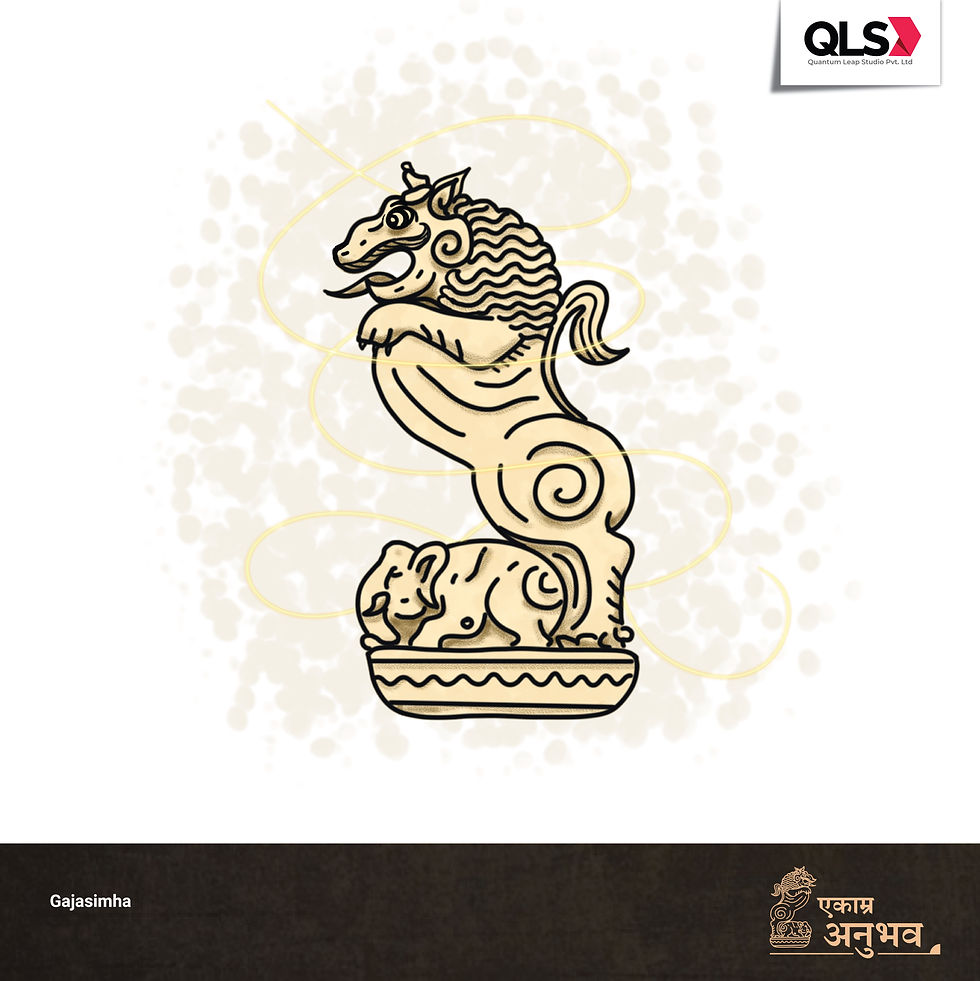
One of the most often used elements in over 300 temples of Ekamra Kshetra is the sculpture of a lion over an elephant and a human being beneath both of them. Found at various points in temples of Odisha, the sculpture is a primary motif of Kalinga architecture and possesses infinite wisdom, depending on how one looks at it.
While many consider it to be a symbol of Hinduism ascending over then-prevalent Buddhism, the sculpture is said to serve as a reminder of the power of pride that overburdens human beings and makes them sacrifice wealth and wisdom. The lion (simha) symbolises power and pride, two things human beings crave for all their lives.
The elephant is a symbol of wealth and wisdom, and hence, was the primary vahana of large empires as well as of Indra, who possessed a ferocious elephant named Airavat and was known for his pride. The human being, shown crushed under the weight of pride (lion) and wealth (elephant), is helpless, unable to move, and almost dead because he could not rise above his false ego.

It is believed that attaining moksha is the primary aim of all humans. However, unless a human can move above and beyond his desire for power and his attachment to wealth, s/he cannot attain spiritual salvation. That might be one of the reasons why the Gajasimha can be found usually at the entrance of the temple and on the superstructure (Bada Deula), serving as a reminder to people about the futility of pride and its power to completely crush humans under its weight.
Do you know any other interpretation of Gajasimha? Let us know in the comments section below.


Comments